
How to Inspect Used Metalworking Machinery Before You Buy
February 10, 2026
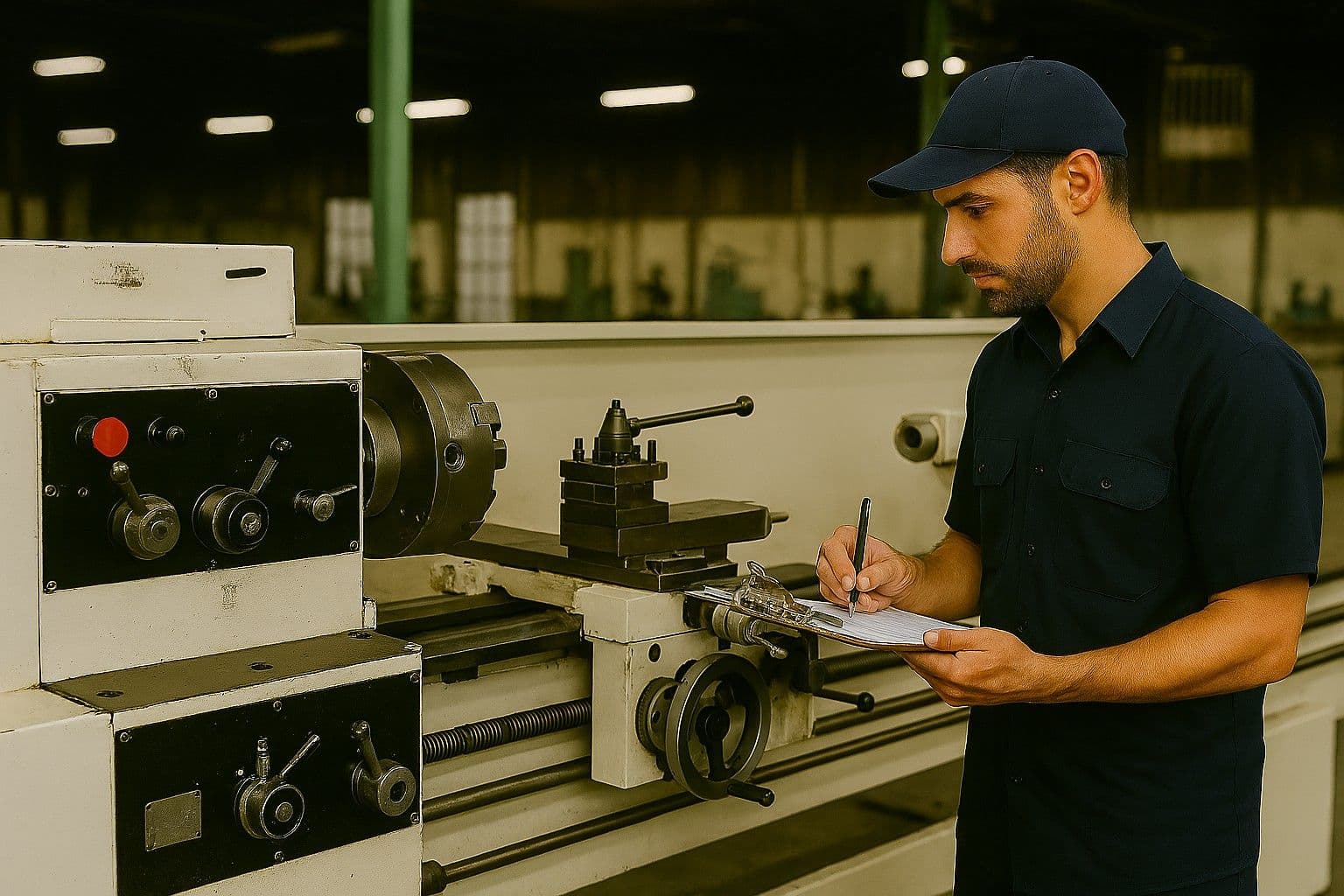
How to Inspect Used Metalworking Machinery Before You Buy
Buying used metalworking machinery — whether it’s a CNC lathe, grinder, ironworkers, or cnc mills — can deliver serious ROI. But only if you inspect the machine properly before committing. A thorough inspection protects your investment, uncovers hidden issues, and ensures the machine will perform reliably in your shop.
Here’s how to inspect used machinery the right way.
1. Inspect Under Power Whenever Possible
Seeing the machine run is the gold standard.
What to look for:
- Spindle noise or vibration
- Axis movement and backlash
- Control responsiveness
- Tool change cycle
- Alarms or error codes
If you can’t inspect in person, ask for a video or hire a local technician to inspect on your behalf.
2. Check the Machine’s Physical Condition
A visual inspection reveals how the machine was treated and maintained.
Inspect:
- Way covers and ball screws
- Electrical cabinet cleanliness
- Hydraulic and coolant lines
- Signs of leaks, rust, or corrosion
- Tool changer wear and alignment
3. Review Maintenance Records and Service History
Documentation builds trust and helps you predict future issues.
Key records to request:
- Preventive maintenance logs
- Repair invoices
- Component replacements
- Software upgrades
4. Evaluate the Control System and Software
Make sure the control is functional, supported, and compatible with your workflow.
Check:
- Boot-up speed and stability
- Software version and updates
- Connectivity options (USB, Ethernet, DNC)
- Compatibility with your CAM system
5. Inspect Accessories and Tooling
Extras like chip conveyors, probing systems, and toolholders add value — but only if they’re in good shape.
Inspect:
- Tooling wear
- Probing system calibration
- Chip conveyor operation
- Coolant system condition
6. Ask the Seller the Right Questions
Don’t just rely on what you see — ask about:
- Why the machine is being sold
- How often it was used
- What materials it machined
- Any known issues or quirks
7. Hire a Professional Technician If Needed
If you’re unsure what to look for, bring in a pro. A qualified CNC technician can spot issues you might miss and give you peace of mind.
Final Thoughts
A proper inspection is the difference between a smart purchase and an expensive mistake. Whether you’re buying a used CNC machining center, lathe, or fabrication equipment, always inspect under power, review documentation, and ask the right questions. And if you’re buying through a trusted dealer like Concord Machine Tools, you’ll benefit from machines that are already vetted, and represented honestly — saving you time and protecting your ROI.