
How to Ship Used Metalworking Machinery
March 4, 2026
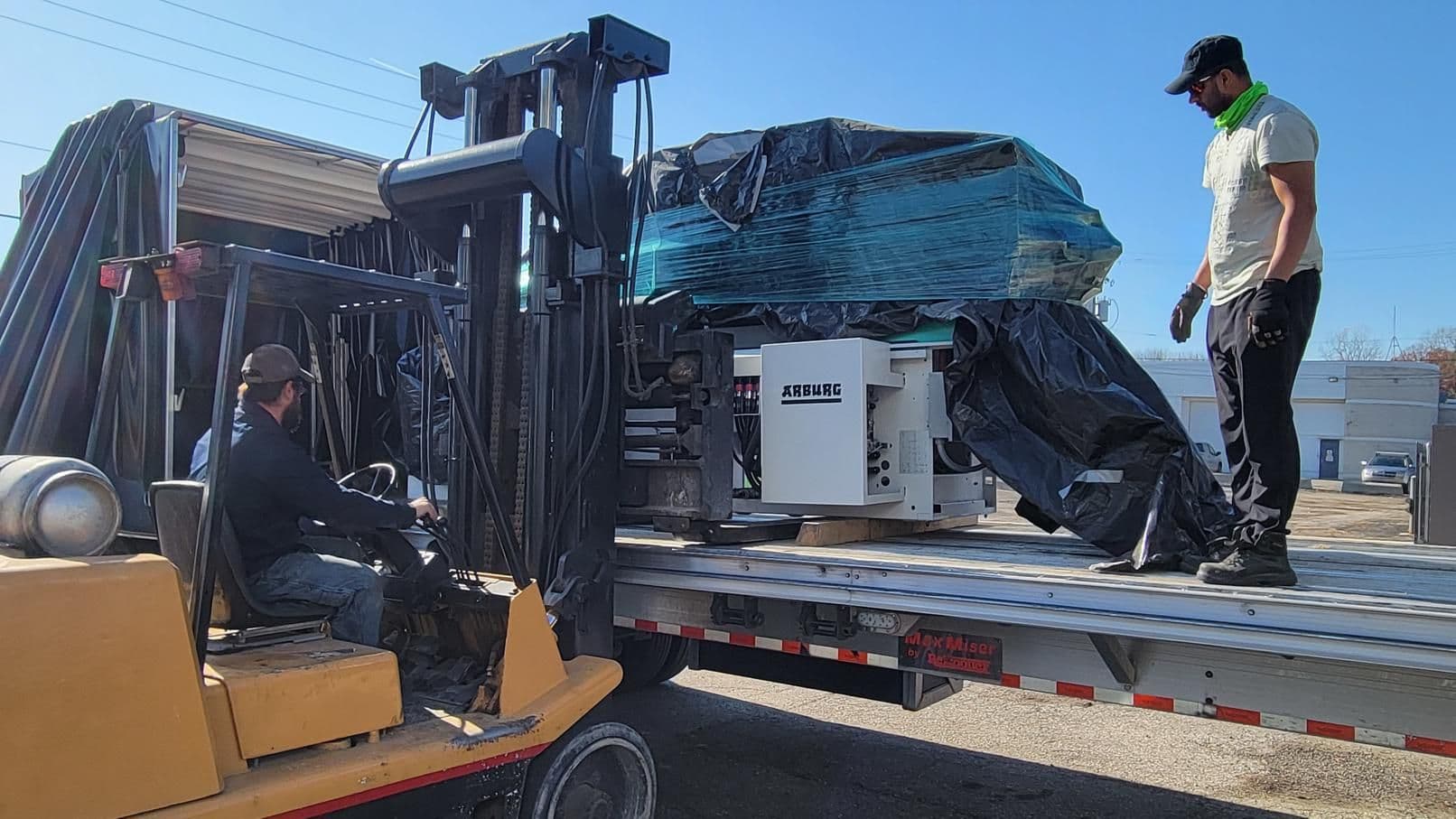
How to Ship Used Metalworking Machinery Safely and Cost‑Effectively
Shipping a used machine, or any industrial equipment is not like shipping a pallet of parts. These machines are heavy, oversized, top‑heavy, and often require specialized handling. Choosing the right transportation method can save you thousands of dollars—and prevent costly damage.
Whether you’re buying from Concord Machine Tools or moving equipment between facilities, here’s what you need to know to ship machinery safely, efficiently, and with confidence.
Why Most Machinery Should Ship on an Open‑Deck Trailer
When shops ask whether they can ship a machine in a standard box truck or enclosed freight trailer, the answer is almost always no. Heavy machinery is best transported on open‑deck trailers such as:
- Flatbeds
- Step decks
- Double drops
- RGN (Removable Gooseneck) trailers
Why open‑deck trailers are the right choice:
- Easy loading and unloading: Machinery can be lifted from the top or side using forklifts or cranes. Box trucks simply don’t allow this.
- Height and width flexibility: Many machines exceed the interior dimensions of enclosed trailers.
- Safer for heavy loads: Open‑deck trailers are designed for weight distribution and securement of industrial equipment.
- Better access for riggers: Riggers need room to maneuver, chain down, and block equipment properly.
Shipping Brokers vs. Freight Carriers: Who Should You Work With?
When arranging transportation, you’ll typically work with either:
1. Freight Brokers (They don’t own trucks)
Brokers act as intermediaries between you and trucking companies.
Pros:
- Access to a large network of carriers
- Competitive pricing
- Easier to find last‑minute trucks
Cons:
- Quality varies by carrier
- Less control over equipment type
- Communication may be indirect
2. Freight Carriers (They own their trucks)
These are companies with their own fleet and drivers.
Pros:
- More predictable service
- Better equipment consistency
- Direct communication with the driver
Cons:
- Higher cost
- Limited availability
- Fewer specialized trailer options
Which should you choose? For most machinery moves, a reputable broker with experience in heavy equipment is ideal. They can match your machine with the right trailer, driver, and schedule. Concord Machine Tools works with trusted partners who understand the unique needs of CNC and fabrication equipment.
FTL vs. LTL: Which Shipping Method Makes Sense?
Understanding your freight options can significantly impact cost and delivery time.
FTL – Full Truckload
You book the entire truck or trailer.
Best for:
- Large machines
- High‑value equipment
- Time‑sensitive shipments
Benefits:
- Direct route
- Less handling
- Lower risk of damage
LTL – Less Than Truckload
You only pay for the space your machine occupies.
Best for:
- Smaller machines
- Budget‑conscious moves
- Non‑urgent shipments
Benefits:
- Significant cost savings
- Ideal for mills, small lathes, saws, toolroom machines
Important note: LTL carriers often use forklifts to move freight. If your machine cannot be forklifted—or is top‑heavy—LTL may not be safe. Always confirm handling requirements before booking.
Know Your Machine’s Dimensions, Weight, and Requirements
Before you can get an accurate shipping quote, you’ll need:
- Overall dimensions (length × width × height)
- Weight
- Center of gravity (if known)
- Whether the machine is top‑heavy
- Whether it can be forklifted
- Whether it requires tarping
Accurate specs ensure the carrier brings the right trailer and securement equipment.
Permits, Escorts, and Oversize Loads
Some machines exceed legal road limits and require special planning.
You may need:
- Oversize load permits (state‑specific)
- Pilot cars / escorts
- Route planning for low bridges or narrow roads
- Travel restrictions (many states limit oversize loads to daylight hours)
Common triggers for oversize permits include:
- Width over 8 ft 6 in
- Height over 13 ft 6 in
- Length over 48–53 ft (depending on trailer type)
- Weight exceeding standard axle limits
A good broker or carrier will handle permits and routing, but you should be aware of the requirements to avoid delays.
Final Thoughts: Ship Your Machinery the Right Way
Shipping a CNC machine or fabrication tool isn’t complicated—but it does require the right equipment, planning, and partners. By choosing an open‑deck trailer, understanding your freight options, and preparing accurate machine specs, you’ll ensure a smooth, safe, and cost‑effective move.
At Concord Machine Tools, we help buyers and sellers coordinate shipping every day. Whether you’re moving a small toolroom mill or a large machining center, we can guide you through the process and connect you with trusted riggers and carriers.